
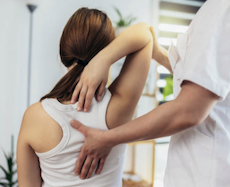
Scoliosis, a medical condition characterized by an abnormal lateral curvature of the spine, can result in varying levels of back pain and physical limitation.
A scoliosis back brace is often a cornerstone in managing this condition, designed to halt curvature progression and alleviate discomfort.
Selecting the ideal scoliosis brace is a great way to start.
This guide is tailored to assist scoliosis sufferers and caregivers in navigating the landscape of scoliosis braces.
From those looking to purchase a new brace to those upgrading their scoliosis support system, our objective is to empower you with the insights necessary for a personalized and effective scoliosis management strategy.
Choosing the right scoliosis brace for you
When choosing to wear a brace for scoliosis, consider the following things in order to get what you need:
Comfort and fit are paramount. A well-designed brace finds a balance, giving the necessary spinal support without causing significant interference with your day-to-day routine. It should offer a snug fit, enough to correct the spine while maintaining a tolerable level of comfort, as you will likely be wearing it for extended periods throughout the day.
Materials and construction are also crucial. Many scoliosis braces are crafted from high-grade, body-conforming plastic. Their discreet profile is intentionally crafted for concealment under clothing. It's essential that the design and aligns precisely with your spinal curvature and can accommodates shifts that occur as you grow or as your condition evolves.
Adjustability is yet another critical feature of an optimal scoliosis brace. It's not a static solution but rather a dynamic one, adaptable through straps, padding adjustments, or modifiable components to meet your body's changing requirements.
Lastly, accurate sizing cannot be overstressed. After finding the right scoliosis brace model, consult the sizing charts carefully and take precision measurements as directed. The fit of your brace is a critical determinant of its effectiveness, ensuring it conforms to your body's unique contours, delivering targeted support where it's most needed.
How we choose our scoliosis braces
Drawing on my professional experience as a Physiotherapist, and using research into consumer feedback and ratings, I have put together a list of quality scoliosis braces.
These products not only deliver superior spinal support but also allow for customizable compression levels to suit individual needs, while maintaining an edge in affordability.
Among the choice of scoliosis braces, I have identified what I believe is the best overall choice available on the market. Embark on a journey toward alleviating back and shoulder discomfort by discovering our handpicked range of the most efficient scoliosis braces designed for optimal spinal care.
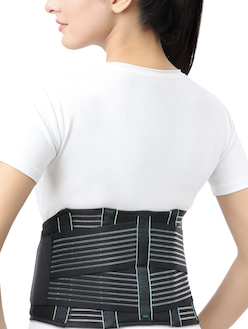
Tynor Back Support
Why I love it
The Tynor Back Support has a monofilament elastic which delivers good elasticity, enhancing durability and longevity. The brace includes thermal-resistant rubber that remains stable despite variations in body heat.
High breathability is ensured by the integrated mesh fabric along the sides, preventing moisture buildup and ensuring comfort during extended wear.
An anti-slip material provides a strong, consistent grip and fit, reducing the likelihood of the brace shifting during movement.
The removable EVA back pad can be adjusted or removed according to comfort needs, offering targeted cushioning in the lumbar area without compromising the brace's stabilizing capabilities.
The semi-rigid back splints ensure gentle yet effective immobilization of the lower back, promoting stability and aiding in postural correction. The additional side splints are designed to prevent the belt from rolling down, a common annoyance with inferior products.
The Tynor Back Support also features a special double pull mechanism, allowing for a truly customized fit. This reliable fastening, paired with a generous hook panel, enables adjustments in compression to meet personal comfort levels and sizing requirements.
What you should know
For an exact fit, it's imperative that users adhere to the detailed size chart and follow the measuring instructions.
The brace is washable, meaning it can be easily maintained, enhancing its user-friendliness and extending its usability.
Available in 5 sizes: Small, Medium, Large, X Large, XX Large
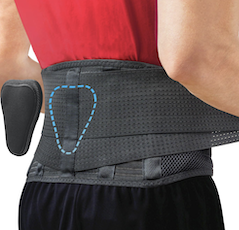
Sparthos Back Brace
Why I love it
This versatile brace allows you to engage in daily activities such as walking, bending, and stretching with freedom and ease.
Incorporating an adjustable lumbar pad, the Sparthos Back Brace provides the compression needed to reinforce your lower back region. Its sturdy vertical support stays are designed to stabilize your spine and prevent the brace from rolling, ensuring you remain active and supported throughout the day.
The Sparthos Back Brace is crafted with highly breathable fabrics for optimal comfort.
It boasts an easily adjustable design for a perfect fit, allowing for discreet wear under clothing.
What you should know
If for any reason you're not completely satisfied, simply reach out to the supplier for a full refund.
Consult the sizing chart and following the measurement instructions.
The Sparthos Back Brace is washable, ensuring easy care and prolonged durability.
It is available in a variety of sizes: X-Small, Small, Medium, Large, X-Large, XX-Large.
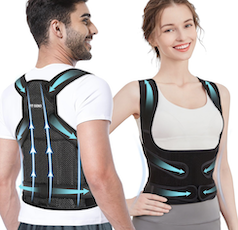
Fit Geno Back Brace
Why I love it
With its practical design, the Fit Geno Back Brace wraps comfortably around your lumbar region without causing restriction under your arms, promoting better posture.
The Fit Geno Back Brace is easy to wear, thanks to it's adjustability. It ensures a snug, customized fit for all body types.
Constructed from premium, breathable mesh material, the Fit Geno Back Brace is easy to maintain, allowing for quick cleaning and fast drying. The material prevents heat and sweat buildup, keeping your back cool and comfortable even with extended wear.
It is equipped with 2 flexible ABS support bars that aid in straightening the back, effectively addressing symptoms of humpback and scoliosis. Wearing the scoliosis brace offers dual benefits, providing necessary back support and spine correction.
The 4 sturdy, fiber sealed rods deliver the support necessary to realign your spine.
What you should know
Refer to the size chart and follow the measuring instructions.
Available in three sizes: Small, Medium and Large.
Available in one colour: Black.
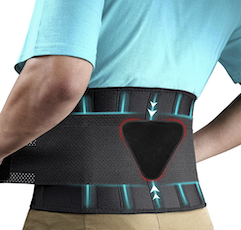
Featol Back Brace
Why I love it
The FEATOL Back Brace's design alleviates discomfort associated with conditions like herniated discs, sciatica, scoliosis, and general lower spine problems.
Featuring four sturdy support strips and an extra lumbar pad, the FEATOL lower back support belt delivers 360-degree robust support for your lower back.
Crafted with breathable fabrics, the FEATOL back support avoids excessive heat and bulkiness. Its neoprene inner belt offers support without restricting movement, while the external elastic band adjusts easily via durable Velcro.
What you should know
The FEATOL brace comes in a comprehensive range of sizes:
- S/M: Fits waist circumference around the navel 24.4-30 inches.
- L/XL: Fits 30-38.6 inches.
- XXL: Fits 38.6-51.2 inches.
- 3XL: Fits 54-63 inches.
- 4XL: Fits 63-68 inches.
- 5XL: Fits 68-74.8 inches.
100% customer satisfaction guaranteed. If for any reason you are not fully satisfied with your purchase, the customer service team will address your concerns and ensure your complete satisfaction with the product.
FAQ's:
What are 4 symptoms of scoliosis?
Scoliosis, a condition associated with an abnormal curvature of the spine, often presents itself with subtle yet distinct signs. Early recognition of these indicators is crucial for timely intervention and effective management of scoliosis. Here are four primary symptoms to be vigilant about:
Uneven Shoulders - One tell-tale symptom is an imbalance in shoulder height, where one shoulder may appear higher—this misalignment is frequently one of the initial hints of a mild scoliosis.
Protruding Shoulder Blade - Discrepancies in the positioning of shoulder blades are conspicuous signs indicating the presence of scoliosis, with one blade potentially sticking out more prominently than its counterpart.
Unequal Hip Level - An asymmetrical hip alignment often implies that the spine’s natural balance is disrupted by scoliosis, leading to one hip being raised and potentially contributing to further spinal pressure and misalignment.
Ribs at Different Heights - Upon bending forward, a noticeable rib hump or uneven rib cage might emerge as a manifestation of the spinal curving characteristic of scoliosis.
Should you notice any of these symptoms, see a physical therapist or doctor. They can diagnose and begin to treat scoliosis, to maintain spinal health and overall well-being.
Should you walk a lot with scoliosis?
Regular walking is a highly recommended exercise for people with scoliosis, notable for its cardiovascular benefits and its supportive role in spinal health management.
Being a low-impact activity, it distributes physical pressures, taking stress off your scoliosis.
Contrasting with high-intensity sports or activities that may cause overextension, walking promotes the maintenance of a neutral spine, avoiding extra vertebral compression.
Incorporating consistent walking habits can be great in fostering spinal alliance and stability, representing a vital approach in the conservative treatment of scoliosis.
What sleep position is best for scoliosis?
For individuals grappling with scoliosis, finding a comfortable sleep position is essential to ensure spinal health and alleviate discomfort.
Sleeping on the back, or the supine position, is often recommended as the best option. This aids in keeping the spine neutral and elongated, which can help minimize symptoms associated with the condition.
A supportive mattress and pillow is paramount in maintaining proper spinal alignment throughout the night.
A well-aligned spine during rest could not only provide a restful night's sleep but also potentially slow the progression of scoliosis by reducing undue stress on the spinal curvature.
How do I reverse scoliosis naturally?
To effectively treat scoliosis naturally, strategies such as targeted stretching exercises, yoga, and Pilates often rank highly as recommended approaches. These methods focus on enhancing flexibility, bolstering core strength, and alleviating muscular tension.
Integrating a personalised program that includes these activities can bolster spinal alignment and contribute to overall spinal health.
For individuals seeking holistic scoliosis management, prioritizing a regimen that encourages an improved range of motion and fosters a stronger, more balanced musculature is key.
How do I get my scoliosis to stop hurting?
Incorporating exercises that fortify and elongate the back muscles can play a crucial role in diminishing back pain.
Engaging in regular physical activity not only aids in fortifying the back but also assists in sustaining an optimal body weight, thereby lessening the burden on your spinal structure.
Whether it’s low-impact aerobics, aquatic therapy, or strength training, the key factor is to ensure consistent movement to keep the back flexible and strong.
This post contains affiliate links and I may earn a small commission when you click on the links at no extra cost to you. As an Amazon Affiliate, I earn from qualifying purchases.