
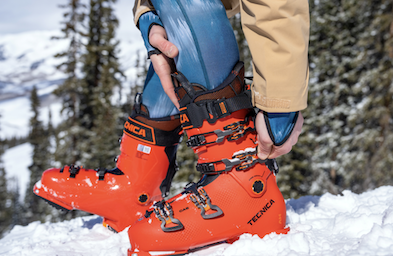
When it comes to conquering the slopes, having the right gear can make all the difference, and choosing the best ski boots is crucial for both comfort and performance. Whether you’re a seasoned pro or a beginner hitting the powder for the first time, selecting the right pair of ski boots can enhance your skiing experience.
In this guide, we’ll explore the top ski boots available on the market, discussing their features, fit, and technology to help you find the right match.
What To Look For in a Pair of Ski Boots
Choosing the right ski boots is essential to maximizing your performance and enjoyment on the slopes.
When selecting ski boots, consider factors like fit, flexibility, and bang for your buck. A proper fit ensures comfort and prevents fatigue, so always try on a new pair of boots with the socks you plan to wear while skiing.
Flexibility is crucial, as different levels of flexibility cater to various skiing styles; beginners often benefit from softer boots, while advanced skiers might opt for stiffer options for better control.
Additionally, prioritise boots with insulation and waterproof features, as these will keep your feet warm and dry in various conditions.
Finally, look for brands that balance quality and price, ensuring you get the best value for your investment.
By keeping these key factors in mind, you'll find ski boots that enhance your performance and make every trip to the mountains enjoyable.
Care and Maintenance of Your Ski Boots
Proper care and maintenance of your ski boots are vital for extending their lifespan and ensuring optimal performance on the slopes.
After each ski trip, always clean your boots to remove snow, dirt, and debris. Pay special attention to the buckles and straps, as these components can accumulate grime that affects functionality.
Allow your boots to dry fully after each use, ideally at room temperature; avoid direct heat sources, as these can warp plastic and damage insulation.
Regularly inspect the liners for wear and tear, and consider replacing them if they start to feel uncomfortable.
Additionally, storing your boots in a cool, dry place during the off-season will prevent deterioration and keep them ready for your next adventure.
Following these simple steps will ensure your ski boots remain in top condition, providing comfort and performance when you hit the slopes.
How We Choose Our Ski Boots
Selecting the best ski boots involves a careful evaluation of various factors to ensure they meet your individual needs and skiing style.
We assess the fit, which is paramount; a snug yet comfortable fit can significantly impact performance and warmth on the slopes. The perfect fit can allow for the prevention of cold feet even on the coldest days. A proper fit means having the most comfortable boots on the slopes!
We also look into the latest technologies that enhance comfort, such as heat moldable liners or shock-absorbing insoles.
Additionally, we take into account user reviews and testimonials to gauge real-world experiences, alongside expert recommendations.
Lastly, we maintain a balance of quality and affordability, ensuring that skiers of all levels can find a reliable option that fits their budget while delivering exceptional performance.
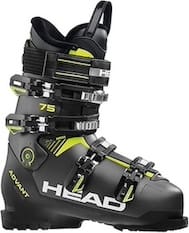
HEAD Unisex Advant Edge 75 Allride Ski Boots
Why We Love It
The HEAD Unisex Advant Edge 75 Allride Ski Boots are engineered with innovative features that enhance performance and comfort on the slopes as compared to other boots.
- HI-TOP TECH: Experience immediate energy transfer from your body to the skis, facilitating easier and more responsive turns, which is perfect for a fit for both novices and aggressive skiers alike. This means less energy wasted on turns, particularly in powdery snow.
- EASY ENTRY SHELL DESIGN: The longer lever mechanism allows for a hassle-free entry and exit, making it simple to get into and out of your boots after a long day on the mountain.
- DUO FLEX: This feature provides a responsive and progressive flex that ensures a smoother feel and consistent control of your skis, helping you tackle various terrains with confidence.
- BI-INJECTED CONTROL FRAME: For enhanced customization and structural integrity, this frame offers rearward support and energy transmission, allowing you to maintain optimal performance throughout your skiing adventure.
- BUCKLES: Equipped with 4 micro-adjustable plastic buckles and 1 Supermacro ratchet, these lightweight buckles allow for precise adjustments, ensuring a secure fit for all-day comfort and support.
With these technologies, the HEAD Advant Edge 75 ski boots are designed to elevate your skiing experience, providing a combination of comfort, control, and convenience for all skier types, speed machine and novice alike.
What You Should Know
Available in 1 colour: Anthracite/Black-Yellow.
Covered by a 30 day refund/replacement policy.
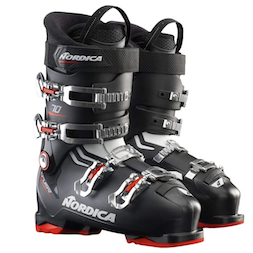
Nordica Men Cruise 70 Ski Boots
Why We Love It
Soft plastic inserts integrated into the throat of the ski boot facilitate easy entry and exit, enhancing user convenience.
The Instep Volume Control features a prominently visible red insert located in the wedge at the heel area. By simply rotating this insert, skiers can make quick adjustments for a customised fit, effectively reducing or increasing the volume by +/- 4mm.
This personalised Custom Fit ensures that every skier experiences comfort and performance on the slopes.
What You Should Know
Available in sizes ranging from Men's US 23.5-30.5
Available in 1 colour: Black/White/Red.
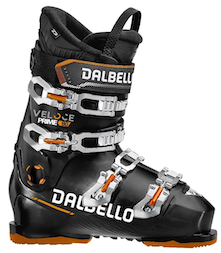
Dalbello 2024 Veloce Prime 80 Ski Boots
Why We Love It
The Dalbello 2024 Veloce Prime 80 ski boots are designed specifically for beginner to intermediate skiers seeking all-mountain versatility.
With an 80 flex rating, these boots strike a balance between support and comfort, allowing skiers to navigate diverse terrains with ease.
One standout feature is the Thermofit liner, which is engineered to mold to all unique foot shapes, providing enhanced comfort and ensuring optimal power transfer to your skis. This level of customization enhances your skiing experience, giving you confidence as you tackle the slopes.
Whether you’re carving down groomers or exploring off-piste trails, the Veloce Prime 80 ski boots deliver the performance and comfort needed to elevate your skiing adventures.
What You Should Know
Available in sizes ranging from Men's US 25.5-31.5
Available in 1 colour: Black/Orange/Silver.
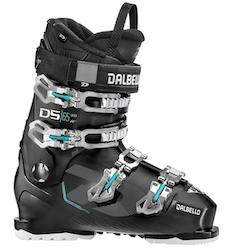
Dalbello 2022 MX 65 LS Women's Ski Boots
Why We Love It
The Dalbello DS MX 65 W Ski Boots are an excellent choice for beginner to intermediate skiers seeking a blend of comfort and performance on the slopes.
Designed with a convenient buckle closure system, these boots ensure a secure fit, allowing skiers to focus on refining their skills without worrying about boot stability.
The 65 rating strikes an ideal balance, offering support while allowing for sufficient flexibility to navigate varying terrain.
With their user-friendly features and advanced technology, the Dalbello DS MX 65 W Ski Boots empower many skiers to confidently embrace their skiing journey and enhance their overall experience on the mountain.
What You Should Know
Available in 1 colour: Light Blue/Black/Silver.
Covered by a 30 day refund/replacement policy.
FAQs
Is there such a thing as comfortable ski boots?
Most boots are offered in a wide range of flex ratings, tailored to accommodate different skill levels and skiing styles.
Many boots with lower flex numbers are softer, providing greater comfort for beginners and recreational skiers, but may sacrifice responsiveness on the slopes.
In contrast, boots featuring higher flex ratings are a less cosy and stiffer boot, which allows for improved downhill and uphill performance and energy transfer, making them ideal for an advanced skier who requires enhanced control and precision during aggressive turns.
Choosing the right flex is essential for optimising your skiing experience, ensuring that you find the perfect balance between comfort and responsiveness.
Why do my feet hurt so bad in ski boots?
Ski boot discomfort can significantly improve or sacrifice performance on the slopes. Here are five prevalent causes of ski boot pain to consider:
- Incorrect Size: Wearing ski boots that are not the right size can lead to excessive pressure points and hinder circulation, resulting in discomfort.
- Poor Fit: A bad fit can stem from a variety of factors, including the shape of your foot not matching the boot design, which can create hotspots and lead to pain during skiing.
- Inappropriate Flex: Using ski boots with a rating unsuitable for your skill level can cause discomfort. Beginners may require softer flex ratings for better comfort, while advanced skiers benefit from a stiff boot for enhanced downhill performance.
- Improper Buckle Habits: Neglecting to adjust your buckles correctly, particularly the top buckle, can lead to uneven pressure distribution on your feet, causing pain and reducing overall stability.
- Socks Issues: The type and thickness of your socks can impact comfort. Opting for the wrong socks, such as cotton ones, can result in moisture retention and chafing, leading to discomfort during your ski sessions.
Addressing these common causes of ski boot pain can help you enjoy a more comfortable and enjoyable skiing experience.
Is it better for downhill ski boots to be tight or loose?
Ski boots should fit snugly on your feet, ensuring they stay securely in place during movement while avoiding discomfort or pain. Your heel should rest firmly against the back of the boot, and your toes should lightly touch the front of the boot.
A proper fitted new boot is indicated by the ability to wiggle your toes slightly without feeling cramped. Achieving the right balance between comfort and a snugger fit is critical for optimising your skiing performance, enhancing control, and ensuring an enjoyable experience on the slopes.
Prioritise finding ski boots that offer the perfect fit, as this foundational element is essential for both comfort and effective energy transfer while skiing.
Should I be able to wiggle my toes in ski boots?
When trying on ski boots, it's important to ensure a snug fit that provides both support and comfort. You shouldn't be able to curl your toes, but a small amount of toe movement is essential. Ideally, your toes should just lightly brush the front of the boot without feeling cramped.
Additionally, there should be no movement through the mid-foot or ankle, as this ensures better control and responsiveness on the slopes.
Remember that ski boots will feel their tightest when first tried on in-store, and they are likely to become slightly more spacious with wear. Getting this fit right is crucial for optimising downhill performance and enhancing your overall skiing experience.
How long do ski boots last?
The lifespan of ski boots typically ranges from 75 to 200 days of skiing, contingent on the quality and type of boots you own.
However, it's essential to consider not just the frequency of use but also the overall age of the boots. A general guideline suggests that ski boots should be replaced every 6 to 8 years to ensure optimal performance and safety. Over time, the materials, particularly plastics, can become stiffer and more brittle, negatively impacting comfort and responsiveness on the slopes.
Regular maintenance and careful evaluation of your downhill ski boots can help you determine when it's time for an upgrade, promoting a more enjoyable and safer skiing experience.
How to improve ski boot comfort?
Improving ski boot comfort is essential for an enjoyable day on the slopes. Here are five key rules to enhance your experience:
- Make Sure They Fit Properly: The foundation of comfort lies in a proper fit. Ensure that your ski boots snugly accommodate your feet without causing pain or pressure points. A well-fitted boot maximizes control and enhances your downhill performance.
- Wear Proper Socks: Selecting the right socks can significantly impact comfort. Opt for moisture-wicking, synthetic ski socks that provide cushioning and prevent chafing. Avoid cotton socks, as they retain moisture and can lead to discomfort.
- Heat Mold Your Boot Liners: Many modern downhill ski boots come with liners that are heat moldable. Take advantage of this feature by having them custom-fitted to your feet. This process ensures a precise fit, increasing comfort and warmth during your skiing adventures.
- Start the Day Off Right: Begin your ski day with a proper warm-up. Stretching your feet and legs can help reduce stiffness and enhance blood circulation, leading to improved comfort in your boots.
- Don't Settle for an Uncomfortable Foot: If your boots cause discomfort, don’t hesitate to seek adjustments or replacements. Prioritizing comfort can transform your skiing experience, allowing you to focus on enjoying the slopes to the fullest.
By following these tips, you can significantly enhance your ski boot comfort, ensuring a more enjoyable experience on the mountain.
This post contains affiliate links and I may earn a small commission when you click on the links at no extra cost to you. As an Amazon Affiliate, I earn from qualifying purchases.