
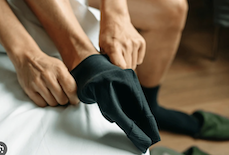
Their Benefits and Uses for Calves, Ankles, and Thighs
In today's post, we're diving into the world of compression sleeves—a widely recognized health aid embraced by athletes, fitness enthusiasts, as well as people seeking to enhance their active lifestyle.
Compression sleeves, also known as compression stockings, are developed to improve blood circulation, reduce muscle soreness, and provide support during physical activities. Whether you’re aiming to boost your sports performance, recover faster, or simply maintain comfort during daily tasks, these versatile leg sleeves can make a significant difference.
Join us as we explore the numerous benefits of compression sleeves, tips for selecting the best ones for your needs, and guidelines for proper maintenance to ensure their durability and effectiveness.
What Are Compression Sleeves?
Compression sleeves are elastic garments specifically made to be worn around the calves, ankles, or thighs, aimed at improving poor blood circulation, reducing swelling, and providing vital support to muscles during various physical activities.
These innovative sleeves are particularly useful for enhancing athletic performance, speeding up recovery after intense workouts, and effectively reducing muscle soreness and fatigue. Additionally, they offer essential support for the legs during everyday activities, making them an invaluable accessory for both athletes and individuals leading an active lifestyle.
Using compression sleeves can lead to improved blood flow and overall comfort, allowing you to perform at your best and recover efficiently.
Benefits for Sports People and Athletes
Enhanced Performance
Compression stockings are designed to significantly improve blood circulation, facilitating better oxygen delivery to your muscles. This can lead to superior athletic success, whether you’re running, cycling, or participating in competitive team sports.
By incorporating compression sleeves into your training regimen, you may experience improved endurance and speed.
Boost Recovery
After an intense workout, your muscles require adequate recovery opportunity. Compression sleeves play a crucial role in preventing muscle damage and soreness, effectively speeding up the recovery process.
This enables athletes to return to their training routines more quickly, minimizing downtime and maintaining peak performance levels.
Reduced Risk of Injury
Wearing compression sleeves provides essential support to the tissues and joints in your legs, to protect from the likelihood of injuries such as strains, sprains, or even shin splints. This added stability makes them an invaluable component of any athlete's gear, ensuring that you remain active and healthy throughout your fitness journey.
Uses in Everyday Activities
Compression sleeves aren’t solely for athletes; they offer significant benefits for various everyday activities as well.
Standing for Long Periods
If your job necessitates standing for extended periods, compression sleeves are great for reducing leg fatigue and swelling. They provide targeted support that enhances blood circulation, helping you feel more energized throughout the day.
Travel
Long flights or car rides can lead to poor circulation and swollen legs, making travel uncomfortable. Wearing compression sleeves during your journey helps maintain optimal blood flow, alleviating discomfort and reducing the risk of deep vein thrombosis (DVT).
Post-Surgery Recovery
Following surgery, wearing prescribed pressure garments can be crucial for recovery. Compression sleeves assist in decreasing swelling and improving circulation, which accelerates healing and promotes overall well-being.
Embracing these benefits can transform everyday experiences into more comfortable and supportive ones.
What to Look For When Choosing Compression Sleeves
Selecting the right compression sleeve is crucial for maximizing their benefits, whether for athletic endurance, recovery, or everyday comfort. Here are some key factors to consider:
Material
Opt for compression sleeves composed of breathable, moisture-wicking fabrics to ensure comfort during any activity. High-quality materials like nylon and spandex are popular for their exceptional durability and elasticity.
For those with sensitivities, many brands offer latex free options to prevent allergic reactions and skin irritations.
Tightness
Compression levels are measured in millimetres of mercury (mmHg). For everyday activities, a moderate compression range of 15-20 mmHg is generally sufficient, while athletes may benefit from higher levels of 20-30 mmHg or more.
It's essential to find a balance; the sleeves should be supportive without feeling uncomfortably tight.
Fit
A proper fit is critical to ensure your compression sleeves are effective. They should be snug but not overly restrictive, allowing for extended wear free of discomfort.
An ideal fit enhances blood circulation while allowing you to move freely, making them perfect for both rigorous training sessions and daily tasks.
Caring for and Maintaining Your Compression Sleeves
To ensure your compression sleeves provide optimal support and longevity, proper care is vital. Here are some effective tips to maintain your compression sleeves so they stay in top condition:
Washing Instructions
Always check the label for specific washing instructions, as different materials may have unique care requirements. Generally, it’s best to hand wash compression sleeves in cold water using a mild detergent.
Avoid using fabric softeners, bleach, or harsh chemicals, as they can compromise the elasticity and effectiveness of the sleeves.
Drying Techniques
After washing, gently squeeze out excess water without wringing or twisting the fabric, which may distort its shape. Ideally, lay the sleeves flat on a clean towel to air dry. Avoid hanging them, as this can cause stretching, and never put compression sleeves in the dryer, as high temperatures can damage the fabric.
Storage Solutions
Store your compression sleeves in a cool, dry place away from direct sunlight. Avoid folding them tightly, as creases can weaken the fabric over time. Instead, consider rolling them up to maintain their shape and elasticity.
Regular Inspections
Periodically inspect your compression sleeves for signs of wear, such as fraying, holes, or loss of elasticity. If you notice any significant damage or if the sleeves no longer provide the intended compression, it may be time to replace them to ensure you continue to reap the health benefits associated with their use.
Follow Usage Guidelines
To prolong the life of your compression sleeves, be mindful of how often you use them. If used extensively, consider owning multiple pairs to allow adequate time for each to recover between uses. This will help maintain their compressive qualities and ensure effective suage.
By following these maintenance tips, you’ll not only extend the lifespan of your compression sleeves but also maximize their benefits, enhancing your athletic performance and daily comfort.
FAQ's
Is compression or calf sleeves good for legs?
Compression socks are specifically engineered to alleviate leg fatigue and provide relief for a variety of medical conditions. If your job requires prolonged periods of standing or sitting, or if you experience circulatory issues like varicose veins, deep vein thrombosis (DVT), or chronic venous insufficiency, you may be exploring their effectiveness as a potential solution.
The encouraging news is that compression socks can significantly enhance blood circulation, reduce swelling, and effectively manage symptoms associated with these conditions.
By incorporating high-quality compression socks into your daily routine, you can experience improved comfort, increased mobility, and overall well-being, making them a valuable asset for anyone seeking relief from leg-related discomfort.
Where does the fluid go when wearing compression garments?
When you wear compression socks, they provide effective graduated compression to your lower limbs, which promotes enhanced blood circulation and encourages lymphatic drainage.
This therapeutic action helps transport excess fluid from your feet, legs, and ankles back into your upper body, significantly reducing swelling and discomfort.
These specially engineered garments are designed to address circulation-related issues, offering vital support for conditions such as varicose veins, oedema, and post-surgery recovery. By applying targeted pressure to your lower body, compression socks optimise blood flow, enhancing overall comfort and well-being.
Incorporating these high-quality compression garments into your daily routine can lead to improved mobility and a greater sense of vitality.
When should you not use compression?
Are there specific situations when wearing a compression knee sleeve is not advised? It is essential to consult with your healthcare provider before using any compression garments, particularly if you have an undiagnosed injury, as these sleeves could potentially worsen the underlying condition.
If you are managing an open wound or are in the recovery phase after knee surgery, obtaining your doctor’s approval is critical before incorporating compression into your routine.
Using compression knee sleeves and calf sleeves without professional guidance, or for extended periods, may result in complications or impede the healing process. Therefore, prioritizing medical advice is vital for ensuring safe and effective treatment.
Remember, the right guidance will help optimize recovery and prevent any adverse effects associated with improper use of compression garments.
How tight should leg sleeves be?
To fully maximize the benefits of compression garments, it is crucial that they fit snugly yet comfortably. A properly fitted compression garment should deliver targeted support while allowing for unrestricted movement, enhancing blood circulation and overall comfort.
These garments are specifically designed to alleviate throbbing pain and discomfort, particularly during post-surgical recovery, being supportive without exacerbating any pain. If you find yourself experiencing discomfort while wearing a compression garment, it is imperative to discontinue use immediately and seek advice from a healthcare professional.
Prioritizing the right fit and comfort is essential for achieving optimal therapeutic benefits, minimizing the risk of complications, and ensuring a smooth recovery process.
Can compression stockings dislodge a clot?
The pressure provided by compression stockings is meticulously developed to enhance blood circulation and promote efficient venous return, thereby reducing the risk of new blood clot formation.
These stockings apply consistent graduated pressure across the compression zone in the lower limbs, which is specifically tailored to achieve optimal vascular health.
However, it's important to note that this pressure is generally not sufficient to dislodge a pre-existing, adhered blood clot. Instead, the main function of compression stockings is preventive; they help maintain healthy blood flow and reduce the likelihood of developing conditions such as deep vein thrombosis (DVT).
For individuals at risk of venous issues, integrating high-quality compression stockings into their daily routine can significantly improve leg health, alleviate discomfort, and enhance overall well-being.
If you need more information about compression sleeves for your knee, check out this blog.
Also, if you are in the market for compression for your elbow, click here.