

How to Prevent Neck Pain for Office Workers
Are you looking for the most effective strategies to prevent neck pain while working in an office environment?
Being a Physical Therapist, I understand how the number of people who experience neck pain is prevalent among office workers. The combination of extended periods of sitting, inadequate workstation ergonomics, and insufficient movement can significantly contribute to neck pain and discomfort.
Among the leading culprits of workplace-related (or tech neck) issues is the daily routine of sitting in front of a computer screen.
This article aims to equip you with proven strategies, ergonomic advice, and targeted exercises designed to help you combat neck pain effectively in your work setting.
Join me as we uncover actionable steps to ensure your neck health, letting you to thrive in a desk-bound job without compromising your well-being.
The Dangers of Continuous Sitting in the Digital Era
In today's workspace, the habit of remaining seated for hours on end in front of computer screens has become the norm. Relentless emails, tight deadlines, and back-to-back virtual meetings, the luxury of stepping away for even a brief respite often eludes us.
This constant state of being desk bound fosters bad posture characterized by a forward-leaning head and rounded shoulders, placing excessive strain on the neck. Such posture not only invites discomfort but also heightens the risk of sustaining injuries and developing persistent neck pain.
The human body thrives on movement, not inactivity.
By integrating routine rest periods into your daily work schedule, you can dramatically minimize the likelihood of neck-related health issues, ensuring a more comfortable and productive work environment.
Strategies to Alleviate Neck Pain in Desk Jobs
In the quest to managing neck pain, creating a healthy workplace environment becomes paramount. There are numerous factors to consider and, fortunately, many solutions are straightforward to implement.
Have you found yourself immobilized in front of your desk for hours, only to be greeted by the familiar discomfort of a stiff neck? This scenario is a frequent reality for those engaged in desk-based occupations. The inherent nature of these jobs demands prolonged durations of screen time, often resulting in a poor posture that inevitably leads to neck strain.
This issue is pervasive among office workers, making it essential to adopt effective strategies to relieve neck pain and foster a more ergonomically friendly workspace.
In addressing the question, "How can we prevent workplace neck pain?" it's crucial to undertake a holistic approach. This includes re-evaluating workstation setups to ensure they're ergonomically designed, encouraging regular movement and stretching exercises throughout the day, and fostering an awareness of maintaining good posture.
Simple adjustments, such as positioning the computer monitor at eye level, utilizing ergonomic chairs that support spinal alignment, and taking frequent breaks to stretch and adjust posture, can have a significant impact.
By integrating these practices, office workers can greatly reduce the risk of neck pain, enhancing both their comfort and productivity in a desk-bound environment.
Proper Desk Setup for Good Neck Health
The layout of your workspace plays a pivotal role in maintaining neck health during long office hours. Achieving the correct desk setup is fundamental in preventing neck strain and discomfort.
Key to this is the proper positioning of your computer monitor. It should be placed at eye level, enabling you to look straight ahead rather than down or up, thereby reducing the risk of experiencing neck pain.
This adjustment ensures that your neck and spine remain in a neutral position, significantly diminishing the likelihood of experiencing discomfort or injuries.
By prioritizing an ergonomic desk arrangement, office workers can significantly improve their overall well-being and productivity.
Choosing the Best Ergonomic Office Chair for Your Neck
When it comes to fostering good neck health and preventing workplace injuries, the importance of choosing an ergonomic office chair cannot be overstated. A good chair supports the natural curvature of your spine while ensuring your feet rest comfortably flat on the ground, and your knees maintain a 90-degree angle.
The inclusion of a backrest that offers ample lower back support is imperative, as it promotes good posture—an essential aspect of minimizing neck strain.
Opting for an adjustable chair is highly beneficial, allowing you to customize the chair’s settings to perfectly accommodate your body's specific measurements.
By investing in a chair that meets these criteria, you not only alleviate the burden on your neck but also significantly reduce the potential for developing other posture-related injuries in the office setting.
Getting the Monitor in the Right Place
Proper monitor placement is a critical aspect of creating an ergonomic workspace that promotes neck health and prevents strain.
By positioning your monitor directly in front of you, you eliminate the need for repetitive neck twisting or straining. This central placement ensures that your neck muscles remain relaxed, significantly reducing the risk of discomfort during prolonged periods of work.
It's not just about the angle, though; the height of your monitor plays a pivotal role as well. Adjusting your screen so that the top third is at eye level prevents the adoption of awkward neck postures, whether craning forward or tilting back.
Additionally, maintaining the optimal distance from your monitor is crucial. It should be neither too close—causing you to crane your neck forward—nor too far—prompting you to lean in and extend beyond a comfortable posture.
By adhering to these guidelines for monitor placement, you safeguard your neck against unnecessary stress, fostering a healthier, more comfortable workspace.
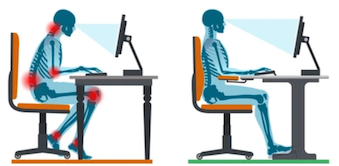
Keyboard and Mouse Placement for Neck and Shoulder Health
Proper ergonomics plays a role in maintaining the health and wellness of office workers, particularly when it comes to the setup of keyboards and mice. Incorrect positioning can lead to adopting poor postures, such as extended reaching and rounded shoulders, which place undue stress on the neck and can contribute to long-term discomfort and injury.
To lessen these risks, it's important to ensure that the keyboard and mouse are positioned close enough to support natural wrist and elbow alignment. Adjusting the distance of these to promote a more relaxed, neutral posture not only helps to prevent neck strain but also reduces the potential for wrist and shoulder issues.
Creating an ergonomic workspace with optimal keyboard and mouse placement enhances overall comfort, reducing the likelihood of strain, and improving productivity in a desk-bound environment.
Stretching and Neck Exercises for Injury Prevention
In maintaining good neck health, integrating stretching and regular neck exercises is key. A sedentary lifestyle, particularly one that involves extended periods of sitting at a desk, can lead to muscle fatigue and the adoption of detrimental neck postures.
To combat this, simple yet effective neck exercises, such as gentle neck rotations, play a crucial role. These exercises not only prevent the neck muscles from stiffening but also encourage the correction of posture periodically throughout the day.
Implementing a routine that includes regular intervals of stretching can markedly improve neck flexibility and strength, thereby reducing the risk of neck strain and injuries.
To ensure consistency, setting periodic reminders to engage in these stretches during work hours can serve as an effective strategy to maintain neck health and maintain and improve posture.
Importance of Regular Breaks for Neck Health and Productivity
Taking breaks is not just a simple tip, it's a vital strategy for preventing neck strain and improving productivity, especially in today's high-pressure work environments.
Whether you're working in an office or from home, the act of standing up and engaging in a brief walk can significantly rejuvenate your neck and shoulders. This practice allows your body to reset and unwind from the prolonged static posture in front of your computer screen.
Ignoring the signals of neck fatigue or discomfort is a clear indication that you're overdue for a break.
Regularly scheduled breaks are essential to allow your neck the necessary rest and recovery it needs. Incorporating these short pauses into your workday can dramatically enhance your overall health and efficiency, preventing the adverse effects of sedentary work habits.
FAQ's
What causes neck pain in office workers?
One of the leading factors causing pain among office workers is the extended period of maintaining a static posture. When the neck is kept in a bent position for lengthy intervals, it significantly raises the risk of experiencing neck discomfort.
This scenario forces the muscles in the neck and upper back to overcompensate to support the actions of the arms, hands, and fingers, leading to increased muscle tension and the possibility of repetitive strain injuries.
Recognizing the damage that this seemingly harmless posture can inflict is crucial. Office workers must adopt preventative measures such as taking frequent rest periods to stretch, engaging in exercises to strengthen the muscles, and optimizing their workstation layout to reduce strain.
How do I sit at my desk to avoid neck hump?
To combat the strain that often leads to developing a neck hump, adopting the correct sitting posture is crucial. Ensuring that you sit up straight, with your chair and desk adjusted so that your feet rest comfortably on the ground and your knees align with your hips, is essential.
Additionally, maintaining your phone at eye level during use can significantly prevent your neck from bending into harmful angles that contribute to strain.
The cumulative effect of poor posture can indeed lead to the formation of a neck hump over time. Therefore, continually monitoring and correcting your posture is vital for your overall neck and back health.
An effective strategy to practice good posture throughout the day is to set periodic alarms to remind you to readjust your position.
What is the fastest way to relieve neck pain or injury?
For quick relief from neck stiffness, applying gentle heat, engaging in stretching exercises, and using over-the-counter pain medication are good strategies.
Utilizing a heat pack can effectively relax tight muscles and increase blood flow, easing discomfort in the affected area.
Regularly performing stretching exercises can significantly boost flexibility, alleviate muscle tension, and prevent future incidents of neck pain.
Over-the-counter medications such as ibuprofen or paracetamol are effective for immediate pain alleviation but should be taken judiciously and under a healthcare provider's advice to avoid potential side effects from long-term usage.
Should you massage pulled neck muscles?
Massage therapy is a highly effective remedy for managing acute neck pain, enhancing circulation, facilitating muscle relaxation, and substantially managing discomfort.
However, it's important to recognize that while massage provides temporary relief, it does not tackle the root causes of neck pain.
For a holistic approach to neck pain relief, integrating massage therapy with stretching exercises, proper posture practices, and muscle-strengthening activities is essential.
Proactive prevention strategies and cultivating habits that support neck well-being are crucial steps toward maintaining long-term neck health and comfort.
How do you know you have a pinched nerve in your neck?
A pinched nerve in the neck, often referred to as cervical radiculopathy, develops when nerve roots near the cervical vertebrae are compressed or irritated. This condition can lead to a range of symptoms including acute neck pain that radiates down to your shoulder, arm, hand, or even extends to your back.
People may also notice a tingling sensation or numbness in these areas, accompanied by potential weakness in the arm. The discomfort and pain from a pinched nerve are likely to intensify when engaging in certain movements like turning the head, or actions such as coughing or sneezing.
It's critical for anyone experiencing these signs to consult a healthcare professional immediately, as timely diagnosis and treatment are crucial to prevent further complications and alleviate the condition effectively.
What is the best way to sleep to stop neck pain?
To alleviate and prevent neck pain, adopting the right sleeping position such as lying on your back or side is vital.
Especially recommended is sleeping on your back, ensuring that your pillow adequately supports the natural curve of your neck while a thinner pillow gently cradles your head.
These sleep postures play a crucial role in maintaining the spine's natural alignment, significantly minimizing the likelihood of experiencing neck discomfort.
It is advisable to steer clear of sleeping on your stomach, as this posture can exert undue stress on your neck muscles.
It's essential to recognize that both sufficient rest and correct sleep positioning are fundamental to fostering neck health and ensuring a pain-free experience.
Whether you're working at your desk for a few hours or for the majority of the day, implementing these ergonomic tips is crucial to avoid neck pain and stiffness. Engaging with best practices for desk ergonomics is essential for maintaining a pain-free and productive work environment.
If you are having any problems with stiffness neck pain, contact or book an appointment with your local Physical Therapist or Health Professional .
For additional information on aids for office work check out our blog on the best back brace for posture, or for an alternative in the office try our blog on the best electric sit-stand desk.